


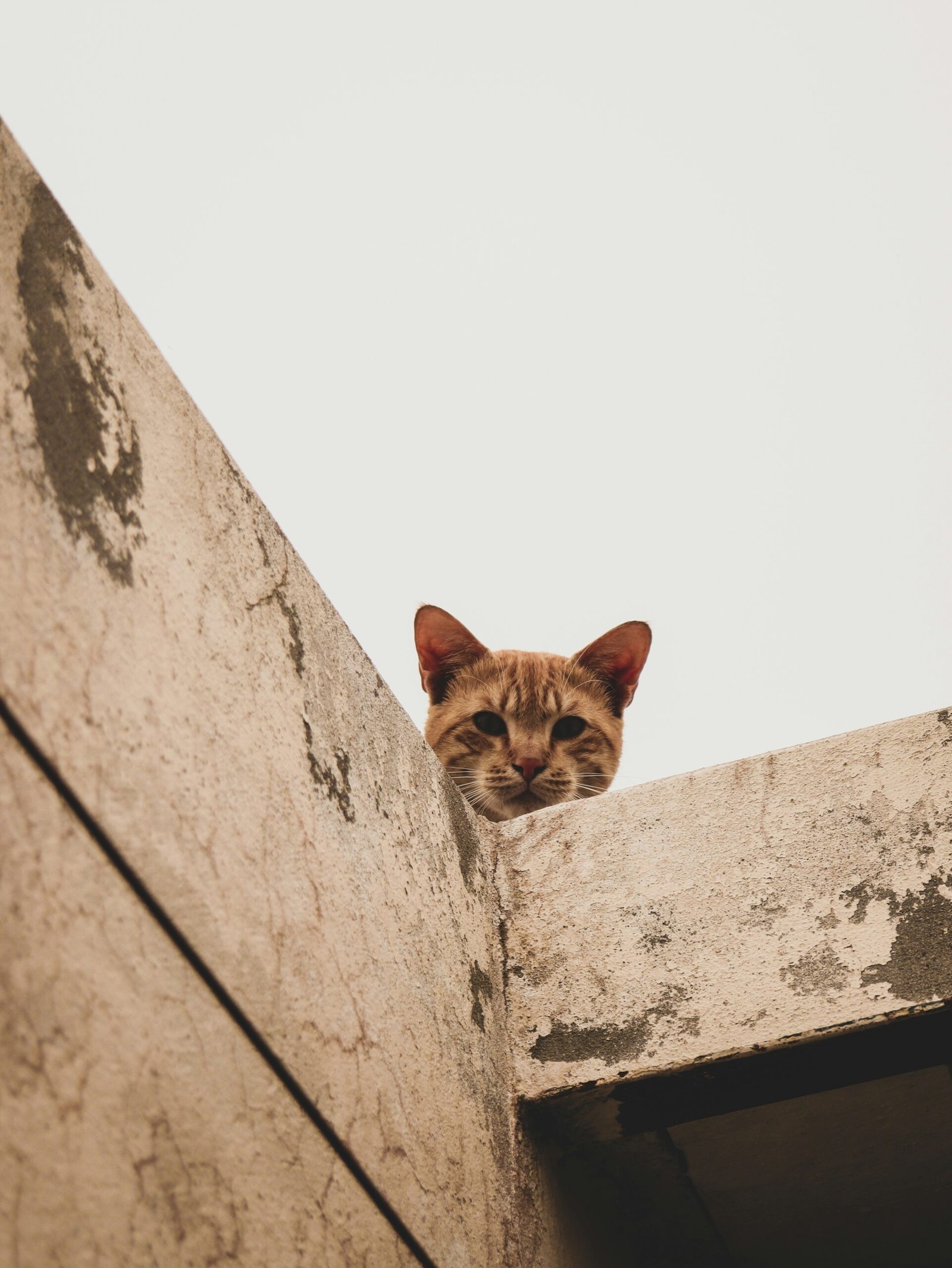
Introduction to Kitten Care
The arrival of a kitten into one’s home is often a joyful and memorable occasion. However, it comes with a significant responsibility that requires a holistic understanding of kitten care. Kittens are notably different from adult cats in several aspects, particularly concerning their nutritional, grooming, and health care needs. Recognizing these differences is crucial for ensuring the well-being and healthy development of your new furry companion.
In the formative months of a kitten’s life, proper care contributes to their growth, behavior, and overall health. Kittens have specific dietary requirements, as they need a food source that is high in protein and fat to support their rapid growth and energy levels. Understanding how to provide nutritionally balanced meals is essential for fostering good health and preventing common developmental issues.
Moreover, kittens are inherently playful and curious, which makes them prone to mischief and accidents. Therefore, establishing a safe environment is critical. Grooming, although often overlooked, plays an equally vital role in maintaining a kitten’s hygiene and comfort. Regular brushing helps in minimizing shedding and prevents matting in their fur, ensuring that they remain comfortable and clean.
Health care is another fundamental aspect of kitten care. This includes routine veterinary check-ups, vaccinations, and the administration of preventive treatments for parasites. Early and consistent health care will set the foundation for a long, healthy life. By grasping the essentials of feeding, grooming, and health management, new kitten owners can ensure they provide the best possible start for their pet.
This guide aims to equip readers with the foundational knowledge required for effective kitten care. By understanding and addressing the unique needs of kittens, owners will be better prepared to nurture, protect, and enjoy the companionship of their new pets.
Choosing the Right Food for Your Kitten
When selecting the appropriate food for a kitten, it is essential to consider their unique nutritional requirements. Kittens undergo rapid growth and development, necessitating a diet that is rich in calories, protein, and essential nutrients. These requirements differ significantly from those of adult cats, underscoring the importance of choosing a food specifically formulated for kittens, which contains higher levels of fat and protein critical for their energetic lifestyle.
There are several types of food available for kittens: dry kibble, wet canned food, and raw diets. Dry food is convenient and can help maintain dental health; however, it typically has lower moisture content. Wet food offers hydration, appealing flavors, and better palatability, often making it a preferred choice among kittens. Raw diets, while they provide natural nutrients, should be approached with caution and prepared under strict hygiene standards to prevent any health risks. Regardless of the type chosen, ensuring the product is labeled as ‘kitten formula’ will provide the necessary nutrients for optimal growth.
Portion size and feeding schedules are equally crucial. Kittens should be fed multiple small meals throughout the day, ideally four times daily, to support their high energy needs. As they grow, this can gradually reduce to two or three meals. It is also vital to adhere to recommended serving sizes indicated on the packaging to prevent overfeeding or underfeeding. When transitioning between different food types, doing so slowly over a week can help mitigate digestive issues. This gradual change allows your kitten to acclimatize to new textures and flavors without distress.
In conclusion, selecting high-quality kitten food tailored to their nutritional needs, establishing appropriate feeding schedules, and carefully managing portion sizes will contribute significantly to your kitten’s health and well-being as they grow.
Essential Feeding Tips for Kittens
Feeding a kitten properly is vital for its growth and overall health. Establishing a designated feeding area can greatly enhance your kitten’s eating experience. This area should be quiet, away from distractions, and easily accessible. Use a shallow food dish to make it easier for the kitten to reach its food, ensuring that it can comfortably eat without straining. Maintain a consistent feeding schedule, as this helps create routine and security for the kitten.
Providing fresh water is as crucial as feeding. Kittens require hydration for their health and well-being. Ensure that fresh water is available at all times, and consider using a water bowl that is appropriate for the size of your kitten. Cats can be particular about their water sources, so some may prefer a pet water fountain, which encourages them to drink more due to the flowing water.
Understanding the signs of hunger and fullness is important when feeding kittens. Look for behaviors such as meowing, pawing at the food dish, or following you around as indications of hunger. Conversely, if a kitten walks away from its food, shows a lack of interest, or leaves food uneaten, it may indicate fullness or disinterest in that specific food. Monitoring these behaviors will help in determining the appropriate portion sizes for your kitten.
Feeding challenges, such as picky eaters or the tendency to overeat, may arise. To encourage healthy eating habits, introduce a variety of high-quality kitten foods. This can help in identifying preferences and ensuring balanced nutrition. If your kitten is disinterested in its food, try warming it up slightly or mixing in a small amount of wet food to entice it to eat. On the other hand, be cautious of overfeeding, as obesity can lead to serious health concerns. Consult with your veterinarian for tailored advice and recommendations to establish a healthy, balanced diet for your kitten.
Grooming Your Kitten – The Basics
Grooming is an essential aspect of kitten care that contributes significantly to their health and hygiene. Regular grooming helps to reduce shedding and hairballs, minimizes the risk of skin infections, and fosters a strong bond between you and your kitten. It is important to establish a grooming routine early on to ensure that your kitten grows accustomed to the process.
Brushing is one of the foundational components of grooming. The type of brush you choose will depend on the coat length of your kitten. For short-haired kittens, a bristle brush or rubber grooming mitt can effectively remove loose fur and stimulate the skin. Long-haired kittens, on the other hand, may require a slicker brush or comb to detangle and prevent matting. Start brushing gently to avoid discomfort, and gradually increase the intensity as your kitten becomes more relaxed. Ideally, grooming should be done several times a week to maintain a healthy coat.
Bathing kittens is generally not necessary unless they are particularly dirty or have been exposed to harmful substances. If a bath is required, use a mild, kitten-safe shampoo. Fill a shallow basin with lukewarm water and support your kitten securely. Gently wet their coat while avoiding their face, and lather carefully. Rinse thoroughly to ensure no soap residue remains. It is vital to introduce your kitten to bathing gradually to minimize stress and create a positive experience.
Nail trimming is another crucial part of grooming that should not be overlooked. It is advisable to start trimming your kitten’s nails when they are young to help them acclimate. Use a pair of cat nail clippers and gently press the paw to expose the claws. Trim only the sharp tip, avoiding the quick, which is the pink area that contains nerves and blood vessels. Regular nail trimming promotes better mobility and prevents injury to both your kitten and your household items.
With these grooming practices in place, you can help ensure that your kitten remains healthy, clean, and comfortable. Establishing a regular grooming routine not only serves health purposes but also strengthens the bond between you and your furry companion.
Creating a Safe and Comfortable Living Environment
Ensuring a safe and comfortable living environment is crucial for the well-being of a kitten. Kittens are naturally curious, which makes it essential to create a space that encourages exploration while minimizing risks. Start by kitten-proofing your home, which includes removing hazards such as toxic plants, small objects that can be swallowed, and covering electrical cords to prevent chewing. Keeping windows and balconies secured is also vital to avoid falls.
Essential supplies should be provided for a kitten’s comfort and safety. A litter box is a fundamental requirement; choose one that is easy to access and clean. Kittens typically prefer a fine-grained litter, and it is advisable to have at least one litter box per kitten, plus one extra, to promote good hygiene and prevent accidents. Additionally, a scratching post will help satisfy the kitten’s instinctual need to scratch, preventing damage to furniture while encouraging healthy claw maintenance.
Toys play an integral role in the development of a kitten, stimulating their playful nature and providing physical activity. Opt for a variety of toys, such as balls, feather wands, and interactive toys that encourage exercise and engagement. However, always select safe options without small parts that could pose a choking hazard.
Furthermore, providing a cozy resting space is important. A soft bed in a quiet area will give your kitten a sense of security and comfort. Ensure the environment is free from drafts and extreme temperatures. It is also advisable to limit access to dangerous areas, such as staircases or rooms where potential hazards may be present, such as chemicals or sharp objects.
By following these guidelines, you can create a nurturing home environment conducive to a kitten’s growth and happiness, fostering a bond that can last for years.
Understanding Kitten Behavior and Socialization
Understanding kitten behavior is crucial for fostering a harmonious environment for both the kitten and its owner. Kittens are naturally playful and curious, often exploring their surroundings with an eagerness that can lead to various behaviors. One common behavior is the inclination to pounce and play-fight, which stems from their developing predatory instincts. While this can lead to amusing interactions, it is essential to provide appropriate toys to redirect this energy, ensuring that the kitten learns suitable play patterns while avoiding aggressive encounters with humans or other pets.
Socialization is another vital aspect of kitten care. Early exposure to various stimuli—such as sounds, sights, and different environments—helps kittens develop confidence and adaptability. When introducing a kitten to new people, it’s important to let the kitten approach at its own pace, ensuring a positive experience to build trust. Utilizing gentle coaxing, such as treats or toys, can facilitate these introductions, reducing the likelihood of fear or anxiety. Parents should also inform guests to avoid sudden movements or loud noises, allowing the kitten to acclimate gradually.
In addition to human interactions, facilitating kitten socialization with other pets is important. Introducing a kitten to resident pets can be managed through gradual exposure and cautious monitoring. It is advisable to keep the kitten in a separate space initially, allowing familiar smells to mingle before any direct interaction. Observing body language is crucial—puffed tails and hissing can indicate fear or aggression, while playful gestures suggest curiosity and readiness to engage. By fostering positive and controlled interactions, owners can help their kittens develop healthy social skills that will last into adulthood.
Routine Health Care and Veterinary Visits
Ensuring the health and well-being of a kitten involves understanding the significance of regular veterinary care. Kittens require a series of vaccinations to protect them from common diseases. Core vaccines typically administered include those for feline calicivirus, feline rhinotracheitis, panleukopenia, and rabies. These vaccinations are crucial during the early stages of a kitten’s life, as they build immunity against potential infections. It is imperative to adhere to the recommended vaccination schedule, which usually begins around six to eight weeks of age, with revaccination at 12 to 16 weeks.
In addition to vaccinations, ongoing parasite prevention is essential for a kitten’s health. Kittens can be susceptible to fleas, ticks, and worms, including roundworms and tapeworms. Regular deworming treatments and flea and tick prevention should be initiated as directed by your veterinarian. These preventative measures ensure that your kitten grows up healthy and reduces the risk of serious illnesses associated with parasites.
An important aspect of kitten care is the decision regarding spaying or neutering. This procedure not only helps control the pet population but also contributes to the overall health of your kitten. Spaying and neutering can reduce the risk of certain diseases and unwanted behaviors, making your kitten a happier and healthier pet.
Establishing a relationship with a veterinarian is vital. A veterinarian will not only ensure your kitten receives necessary vaccinations and health check-ups, but they can also provide guidance on general care, behavior, and nutrition. During wellness visits, expect a thorough examination, which may include checking the kitten’s weight, coat condition, dental health, and overall behavior. Building a rapport with the vet helps you feel more comfortable discussing any concerns and ensures that you have a reliable partner in your kitten’s health care journey.
Recognizing Signs of Illness in Kittens
As a pet owner, it is crucial to be attentive to the health and well-being of your kitten. Recognizing the early signs of illness can significantly contribute to a positive outcome. Kittens, like humans, can exhibit symptoms that indicate underlying health issues. Monitoring changes in appetite, energy levels, and litter box habits are essential tasks that should become routine over time.
One of the first indicators of potential illness is a change in your kitten’s appetite. A sudden decrease in food consumption or an abrupt shift in preferences can signal health problems. It’s important to note that kittens have higher metabolic rates compared to adult cats and may require frequent meals. If your kitten refuses to eat for more than 24 hours or displays unusual behavior towards their food, it may warrant a consultation with a veterinarian.
Energy levels can also provide valuable insight into your kitten’s health. Playful and active behavior is typical for young felines, so a noticeable lethargy or disinterest in play can be a key sign of illness. If your kitten is sleeping more than usual or is reluctant to engage in their favorite activities, it could be indicative of an underlying issue that requires immediate attention.
Another essential aspect to monitor is your kitten’s litter box habits. Changes in urination or defecation, such as excessive straining, diarrhea, or blood in the stool, can indicate digestive problems or urinary tract infections. Regular monitoring of these behaviors is vital, as they can expose issues that may escalate if ignored.
Vigilance is paramount when it comes to your kitten’s health. Should you observe any concerning symptoms, seeking timely veterinary advice is recommended. Early intervention often results in more effective treatment, ultimately fostering a healthier, happier life for your furry companion.
Conclusion and Final Tips for New Kitten Owners
Taking care of a kitten can be an incredibly rewarding experience filled with joy and companionship. As you embark on this journey, it is essential to remember the key aspects of kitten care that we have discussed throughout this guide. Proper feeding is critical for your kitten’s development; always ensure you are providing a balanced diet suitable for their age and size. Additionally, grooming should not be overlooked, as it plays a vital role in maintaining your kitten’s health and comfort. Regular brushing helps to prevent matting and reduce shedding, promoting a healthy coat and skin.
Health care is another pillar of responsible kitten ownership. Routine veterinary visits, vaccinations, and preventive treatments are essential to ensure your kitten remains healthy throughout their life. Apart from these practical aspects, it is important to foster a loving and stimulating environment for your new friend. Providing a variety of toys and interactive activities can greatly enhance your kitten’s quality of life. This not only helps to develop their instincts and physical abilities but also strengthens the bond between you and your pet.
For new kitten owners, patience and understanding are key. Kittens are curious and energetic, often requiring supervision as they explore their surroundings. It is also beneficial to continue seeking knowledge about feline care as your kitten grows, as their needs will change over time. Resources such as books, reputable websites, and local veterinary advice can provide invaluable assistance.
Embrace the journey of kitten ownership, savor the moments of playfulness, and cherish the unconditional love they bring into your life. With dedication and care, you will not only nurture a healthy kitten but also cultivate a profound friendship that lasts for years to come.




Leave a Reply